


Professor Yukiko Sawano of the University of the Sacred Heart, Japan, has joined The 12th Asian Conference on Education & International Development (ACEID2026) on the panel for ‘Longevity, Happiness, and the Art of Community: Lessons from Japan and Beyond’.
Professor Sawano will join Mr Héctor García, an author based in Japan, Professor Dexter Da Silva of Keisen University, Japan, and Mr Lowell Sheppard of IAFOR and Never Too Late Academy, Japan, to share their expertise and insights on community-building practices within ageing cultures in and outside of Japan.
To participate in ACEID/ACP/AGen2026 as an audience member, please register for the conference via the conference website.
The panel presentation will also be available for IAFOR Members to view online as part of their membership benefits. To find out more, please visit the IAFOR Membership page.
Speaker Biography
Yukiko Sawano
University of the Sacred Heart, Japan
 Dr Yukiko Sawano is currently serving as a tenured Professor in the Department of Education at the University of the Sacred Heart, Japan. Her professional background includes significant roles as a government official and specialist of overseas research for the Japanese Ministry of Education (MEXT), as well as Senior Researcher at the Department of Lifelong Learning Policy Research of the National Institute for Educational Policy Research (NIER). Professor Sawano is a recognised expert in lifelong learning and comparative education, with a specific research focus on the Nordic model of lifelong learning and educational reform in post-Soviet countries.
Professor Sawano served as President of the Japan Association of Lifelong Education from 2016 to 2018, and as a member of the Lifelong Learning Subgroup of the Central Council of Educational Reform from 2019 to 2025. Currently, she serves as the Co-coordinator for Research Network 6: Learning Cities/Regions within the ASEM Lifelong Learning Hub.
Her recent publication includes Eastern Promise: New Wave Learning Cities in Japan in Edit. Seamus, OT, et.al. “Global Perspectives on Learning Cities”, Springer, 2025 (Co-author, In English), Lifelong Learning for GX and Sustainable Development in Europe, in “Bulletin of the Japan Association of Lifelong Education” No.46, 2025 (In Japanese), etc.
Abstract
Longevity, Happiness, and the Art of Community: Lessons from Japan and Beyond
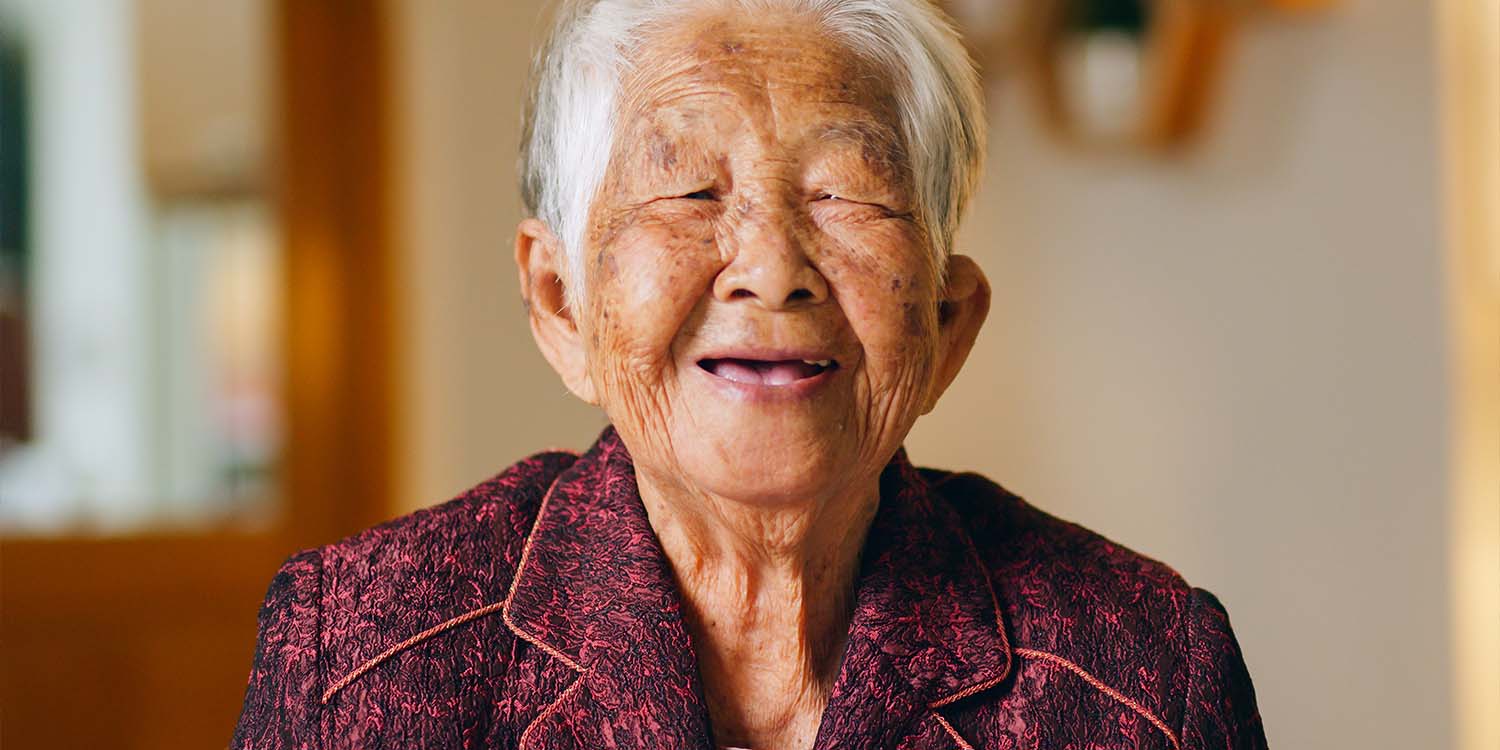
As Asia and the wider world confront rapidly aging populations, a pressing interdisciplinary question emerges: What makes life not only long, but happy, connected, and meaningful in its later stages? This group of distinguished panellists will share their perspectives on how community environments shape emotional well-being, psychological resilience, and functional independence well into advanced age. Drawing on research centred in Japan’s super-aging society, the panel explores how community-driven structures such as moai (模合) groups, neighbourhood support networks, exercise rituals, festivals, and intergenerational spaces directly contribute to late-life happiness. And how education, in the form of continued learning, teaching, mentoring, and curiosity, can help sustain life-long purpose and emotional and mental vitality.
The discussion will highlight the interplay between psychology, behaviour, purpose, and social connection. The panellists will show how these factors collectively influence a healthy lifespan by integrating perspectives from gerontology, psychology, behavioural science, education, and development studies. The session will offer insights into why older adults thrive in environments where belonging is strong, relationships are deep, and lifelong learning is encouraged, and how purpose and social identity protect against loneliness and cognitive decline. The panel will specifically discuss how lessons from Japan can inform policy, community design, education, and behavioural interventions across cultures, where long life is lived richly.
